


Resources
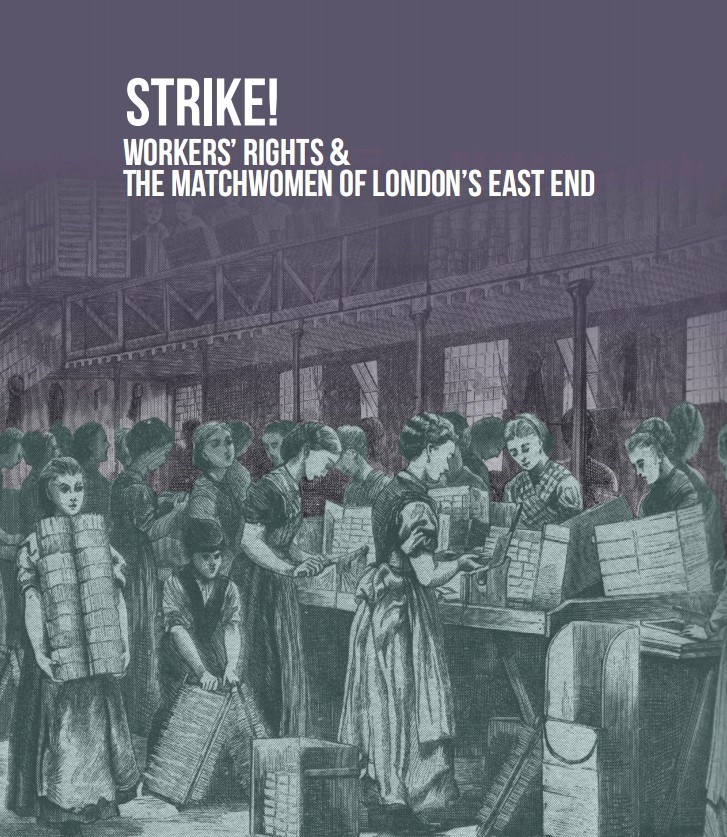
STRIKE! Workers' Rights & The Matchwomen of London's East End
Dear Educators!
We believe that human rights education is essential for students to understand and assert their own rights and to protect the rights of others. As a result, the Universal Declaration of Human Rights (UDHR) lies at the core of Woven Teaching’s materials. The document’s 30 articles outline fundamental human rights: basic rights and freedoms which every human being is entitled to, regardless of the person’s race, religion, birthplace, gender, sexual orientation, or other characteristic. Although its articles are not legally binding, the UDHR serves as the moral compass for the international community.
The activities in Strike! connect directly to several UDHR articles, including:
• Article 3: Right to life, freedom, and safety
• Article 20: Right to participate in and organize peaceful protests and meetings
• Article 23: Right to work, to receive a fair wage, and to join a union
• Article 24: Right to rest and relaxation
• Article 25: Right to an adequate standard of living, including food, housing, and medical care
In many cases, these workers have alleged that their employers have violated their rights. But what rights do we have in the workplace? And why is it important for workers to know these rights? In Strike!: Workers Rights & the Matchwomen of London’s East End, students have the opportunity to learn about their rights as workers, and using the historical struggle by women in Victorian London as a case study, explain the different strategies workers can use to assert their rights. Students will also apply the principle of solidarity by arguing for workers’ rights that continue to be challenged.
THANKS